Viburnum Flower: The Ultimate Guide To Growing And Caring For This Beautiful Shrub
Viburnum flowers are a beautiful addition to any garden. With their delicate blooms and sweet fragrance, they can brighten up any space. Viburnums are also relatively easy to care for, making them a great choice for even novice gardeners.
In this guide, we will discuss everything you need to know about growing and caring for viburnum flowers. We will cover topics such as:
- Choosing the right viburnum for your climate
- Planting and caring for viburnum flowers
- Common pests and diseases of viburnums
- How to propagate viburnum flowers
By the end of this guide, you will be an expert on viburnum flowers and be well on your way to growing your own beautiful shrubs.
Choosing the Right Viburnum
There are over 200 species of viburnum, so it can be difficult to know where to start. The best way to choose the right viburnum for your climate is to consult a local nursery or garden center. They will be able to help you select a species that is hardy in your area and will thrive in your growing conditions.
When choosing a viburnum, it is also important to consider the size of the shrub. Some viburnums can grow quite large, while others are more compact. If you have limited space, you will want to choose a smaller variety.
Planting Viburnum Flowers
Viburnum flowers are typically planted in the spring or fall. When planting, choose a location that receives full sun or partial shade. Viburnums prefer well-drained soil, so if your soil is heavy clay, you may need to amend it with compost or sand.
Dig a hole that is twice as wide and as deep as the root ball of the viburnum. Place the shrub in the hole and backfill with soil. Water the viburnum well and mulch around the base of the plant to help retain moisture.
Caring for Viburnum Flowers
Viburnum flowers are relatively easy to care for. They need regular watering, especially during the first year after planting. Once established, viburnums can tolerate some drought.
Viburnums also benefit from a light application of fertilizer in the spring. A balanced fertilizer, such as 10-10-10, will work well.
Prune viburnum flowers as needed to maintain their shape and size. Most viburnums do not require heavy pruning, but you may need to remove dead, diseased, or damaged branches.
Common Pests and Diseases of Viburnums
Viburnum flowers are susceptible to a few pests and diseases, but they are generally quite hardy. Some common pests include aphids, scale insects, and spider mites. These pests can be controlled with insecticidal soap or neem oil.
Viburnums can also be susceptible to a few diseases, such as leaf spot, powdery mildew, and verticillium wilt. These diseases can be prevented by watering the viburnum properly and avoiding overhead watering. If a disease does occur, you may need to treat the plant with a fungicide.
Propagating Viburnum Flowers
Viburnum flowers can be propagated by seed, division, or cuttings. Seed propagation is the least successful method, but it can be used if you have access to viburnum seeds.
Division is the most reliable method of propagating viburnum flowers. To divide a viburnum, dig up the plant in the spring or fall. Use a sharp knife or spade to divide the plant into several sections. Each section should have at least one healthy root and several shoots.
Cuttings can also be used to propagate viburnum flowers. Take cuttings in the spring or summer from healthy, new growth. The cuttings should be about 4 inches long and have at least three nodes. Dip the cuttings in rooting hormone and plant them in a well-draining potting mix. Keep the cuttings moist and in a warm, sunny location. They should root in about four weeks.
Conclusion
Viburnum flowers are a beautiful and easy-to-care-for addition to any garden. With a little knowledge and care, you can enjoy these shrubs for many years to come.
Viburnum flowers are a beautiful and versatile addition to any garden. With over 200 species to choose from, there is sure to be a viburnum flower that is perfect for your climate and needs. Viburnum flowers come in a variety of colors, including white, pink, red, and blue. They can be found in both flowering shrubs and trees. Viburnum flowers are also known for their sweet fragrance.
If you are interested in learning more about viburnum flowers, I suggest visiting Garden Wiki. This website is a comprehensive resource for all things viburnum. You will find information on viburnum species, care, and cultivation. You can also find photos and videos of viburnum flowers in bloom.
FAQ of viburnum flower
Q: When do viburnum flowers bloom?
A: Viburnum flowers bloom in spring or early summer. The exact timing of the bloom depends on the variety of viburnum. Some viburnums, such as the snowball viburnum (Viburnum opulus), bloom in early spring, while others, such as the Korean spice viburnum (Viburnum carlesii), bloom in late spring or early summer.
Q: What are the different colors of viburnum flowers?
A: Viburnum flowers can be white, pink, red, purple, or blue. The color of the flowers also depends on the variety of viburnum. For example, the snowball viburnum has white flowers, while the Korean spice viburnum has pink flowers.
Q: How to care for viburnum flowers?
A: Viburnum flowers are relatively easy to care for. They need full sun to partial shade and well-drained soil. Viburnums should be watered regularly, especially during the first year after planting. They should also be fertilized in the spring with a balanced fertilizer.
Q: How to propagate viburnum flowers?
A: Viburnum flowers can be propagated by seed, but the process is labor-intensive. Instead, it is easier to propagate viburnum flowers by softwood cuttings. To take softwood cuttings, cut a 6-inch branch from the viburnum plant in the summer when the new growth is soft and pliable. Remove the leaves from the bottom half of the cutting and dip the cut end in rooting hormone. Plant the cutting in a pot of well-draining soil and keep the soil moist. The cutting should root in about 4-6 weeks.
Image of viburnum flower
5 different images of "viburnum flower" from Pinterest:
- Viburnum opulus, also known as snowball viburnum, has white flowers that bloom in clusters in the spring.
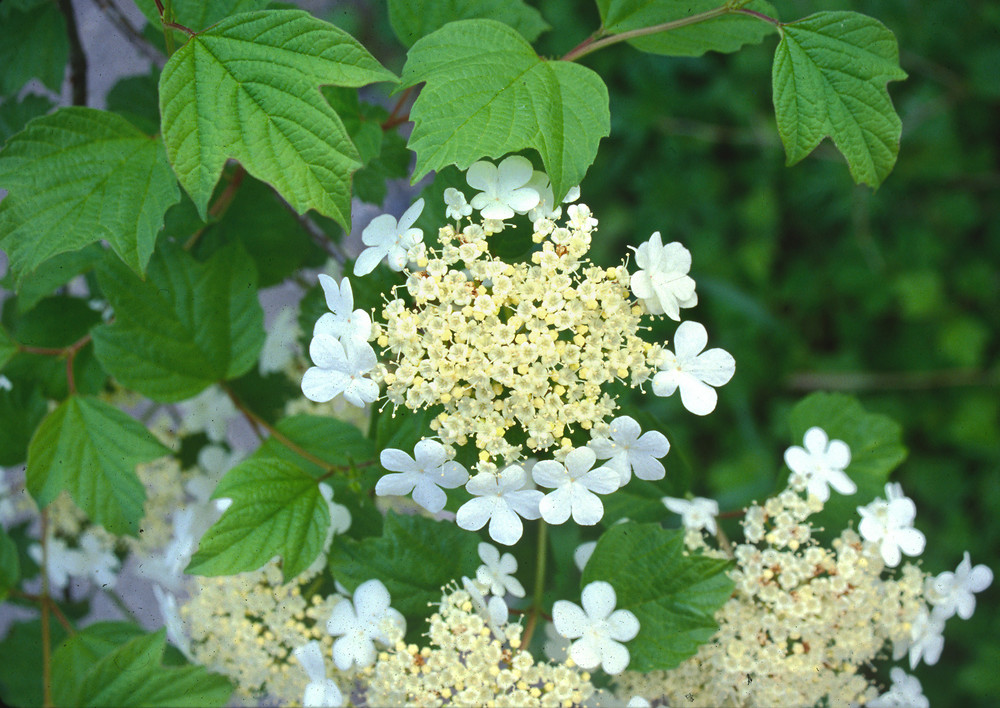
- Viburnum carlesii, also known as Koreanspice viburnum, has pink flowers that bloom in clusters in the spring.
- Viburnum plicatum var. tomentosum, also known as doublefile viburnum, has white flowers that bloom in pairs along the branches in the spring.
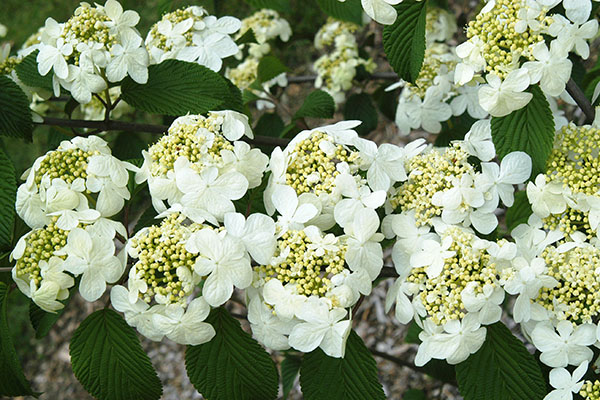
- Viburnum x bodnantense, also known as fragrant snowball viburnum, has white flowers that bloom in clusters in the spring and have a sweet fragrance.
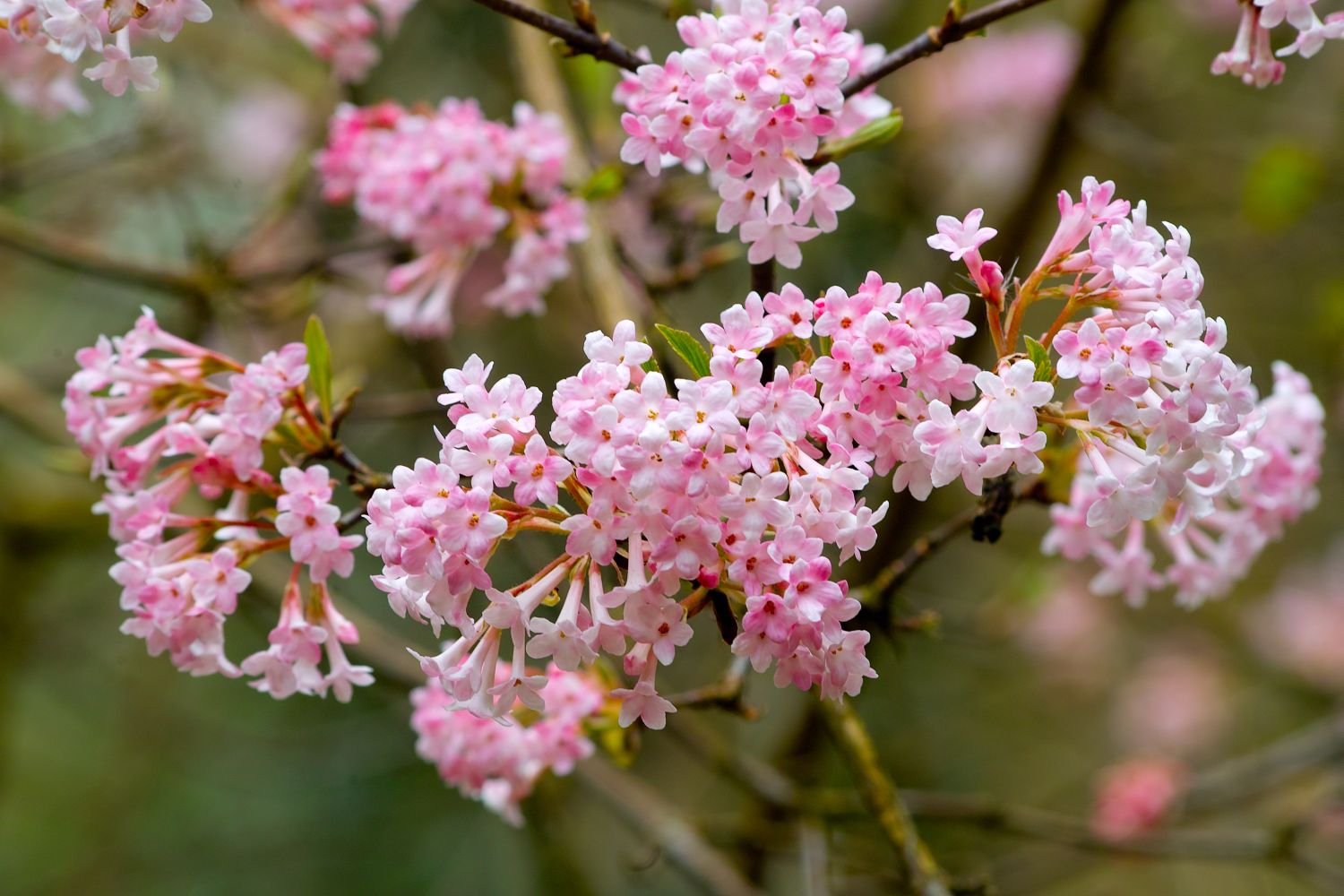
- Viburnum trilobum, also known as arrowwood viburnum, has white flowers that bloom in clusters in the spring and have three-lobed leaves.


Post a Comment for "Viburnum Flower: The Ultimate Guide To Growing And Caring For This Beautiful Shrub"